
How to Repair Alloy Wheel Curb Damage (And When to Let a Pro Do It)
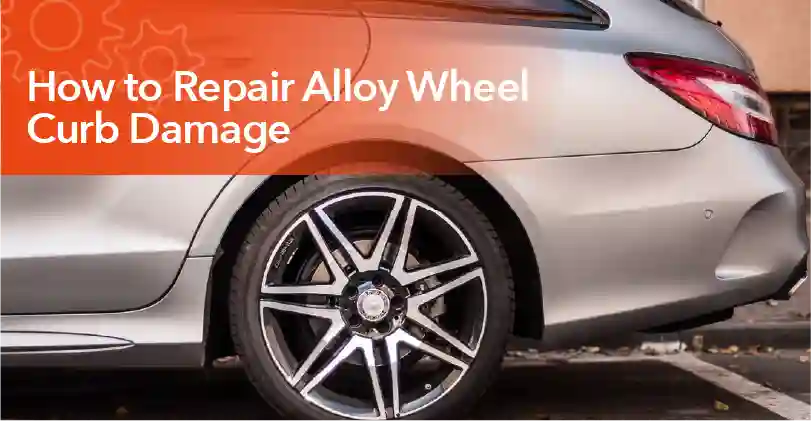
Scraped your alloy wheel on a curb? Here’s the short answer: light scuffs are an easy fix, but deep gouges, bent rims, and cracks need a pro. This guide covers cost, DIY limits, and when to call in the experts in Englewood.
Curb rash looks worse than it is, until it isn’t. Some damage is cosmetic. Some means your wheel is quietly losing air. Knowing the difference saves you money and keeps you safe.
Is Your Curb Rash Repairable? (Quick Answer)
Yes, most curb rash is repairable. The call between repair and replace comes down to four things.
- Depth of the gouge: A shallow scuff that only touches the clear coat is easy. A gouge deep into the metal is different.
- Wheel finish: Painted wheels are simple to fix. Diamond-cut and machined-face wheels are trickier and pricier.
- Structural damage: Cracks or bends affecting the wheel’s shape are a safety issue, not a cosmetic one.
- Wheel type: Aftermarket wheels are usually easier to source parts for. OEM wheels sometimes need special color-matching.
A scuff or scrape with no bend and no crack means you’re in good shape. Feel a vibration or hear air hissing? Skip the DIY kit and get it checked.
Alloy Wheel Repair Cost by Damage Type (2026)
Here’s what typical repair costs look like right now. These are general ranges, not quotes.
| Damage Type | Typical Repair Cost | Typical Turnaround |
| Light scuff / curb rash | $75 to $150 | Same day |
| Deep gouge | $150 to $300 | 1 to 2 days |
| Bent rim | $100 to $250 (per wheel, if straightenable) | 1 to 3 days |
| Cracked rim | Often not repairable; replace | N/A |
Prices updated July 2026. Actual pricing depends on wheel size, finish, and damage depth. A free in-store wheel assessment gets you an exact number.
How to Repair Alloy Wheel Curb Damage Yourself
If you’re wondering how to repair alloy wheel curb damage yourself, here’s the honest walkthrough. It works well on painted wheels with shallow, cosmetic damage. It does not work on diamond-cut or machined finishes, and we’ll explain why next.
- Clean the area: Wash the wheel and dry it fully. Any dirt or brake dust left behind will mess with the fill and paint later.
- Sand it down: Use fine sandpaper to smooth the rough edges of the scuff. Go gentle. You want smooth, not thin.
- Fill the gouge: Apply a wheel-specific filler to build the surface back up to level. Let it cure per the instructions.
- Sand again: Once cured, sand the filler flush with the wheel surface.
- Prime: A thin, even primer coat helps the paint stick and blend.
- Color-match the paint: This is the step where most DIY jobs go sideways. Getting an exact match on wheel paint is genuinely hard.
- Clear coat: Seal it up with a clear coat rated for wheels, since regular clear coat won’t hold up to road heat and brake dust.
With a simple painted wheel and a steady hand, this can get you a decent result for under $50 in materials. Just know the ceiling: cosmetic fixes only.
When DIY Makes It Worse (And What It Costs to Undo)
Here’s where we’re going to be straight with you: DIY kits can make things worse. If you’ve searched how to repair alloy wheel damage and found a dozen YouTube videos, you’ve probably also seen comment sections full of “fixes” that turned into bigger bills.
- Diamond-cut and machined faces: Cut with precision lathes for a two-tone shine, a DIY sand-and-paint job flattens that shine and leaves an obvious patch, costing more to undo than a first-time pro repair.
- Structural cracks: No filler or paint fixes a crack. Painting over one just hides a safety problem until it fails.
- TPMS damage: Your tire pressure sensor lives inside the wheel. Aggressive sanding or a hard curb strike can damage it, and you won’t know until the warning light comes on.
We’d rather tell you this upfront than sell you a kit and see you back here with a wheel that’s worse off.
Repair or Replace? The Cost of a New Alloy Wheel Compared
Sometimes replacement is the smarter move, especially with cracked wheels.
| Option | Typical Cost | Turnaround | Notes |
| Professional repair | $75 to $300 | 1 to 3 days | Best for cosmetic and minor structural fixes |
| OEM replacement wheel | $250 to $600+ | 3 to 7 days (order-in) | Exact factory match |
| Aftermarket replacement | $150 to $400 | 1 to 5 days | Budget-friendly, wide style range |
If you’re replacing just one wheel on a set, matching the finish across all four matters for resale value. Our wheel installation team can help you figure out whether a single swap will blend in, or the whole set needs attention.
Is It Safe to Drive on a Curbed or Bent Wheel?
Short answer: it depends on the damage, but when in doubt, get it looked at before your next long drive.
- Slow air loss: A curb strike can break the seal between the tire bead and the wheel, causing a slow leak that’s easy to miss.
- Vibration: A bent wheel often shows up as a shake in the steering wheel at highway speed.
- Tire bead damage: The impact might have damaged the tire itself, not just the wheel. A quick tire installation check catches this early.
- Alignment: A hard curb hit often knocks wheel alignment out. If your car pulls to one side afterward, get it checked.
If you notice any of these signs, don’t wait. A structurally failing wheel is a genuine hazard, not just a cosmetic annoyance.
How Our Alloy Wheel Repair Process Works
Here’s what actually happens when you bring your wheel in.
- Inspect and grade: We check depth of damage, structural integrity, and finish type, then give you an honest grade: repairable, borderline, or replace.
- Strip: Old paint or clear coat gets stripped to bare metal so we can see the true extent of the damage.
- Straighten: A bent wheel goes through a hydraulic press to bring it back to true.
- Refinish: We sand, fill, prime, color-match, and clear coat to match your original finish.
- Rebalance: Every repaired wheel gets rebalanced before it goes back on your car.
- Refit: We reinstall, torque to spec, and check your TPMS sensor is reading correctly.
Most repairs turn around in 1 to 3 days depending on shop volume and parts availability. While you’re in, it’s a good time to check if you’re due for a tire rotation too.
Alloy Wheel Repair in Englewood & the Denver Metro
All Season Tire is located at 4000 S Broadway, Englewood, CO 80113, right in the Denver Metro area. We offer a free wheel assessment, so you know exactly what you’re dealing with before spending a dollar.
Call 720-877-4243 to book a free wheel assessment, or stop by during business hours. We’ll take a look and give you a real number, not a guess. See our full services hub for everything else we handle.
Frequently Asked Questions
How much does it cost to fix curb rash?
Light curb rash typically runs $75 to $150 to repair, depending on the wheel’s finish and how deep the scuff goes.
Can you fix a bent rim?
Often, yes. A bent rim can usually be straightened with a hydraulic press if the bend isn’t extreme and there’s no cracking. Cracked wheels typically can’t be safely straightened.
How do I know if my rim is cracked or just scuffed?
Look closely under good light. Scuffs are surface-level and only affect the finish. Cracks look like a thin line running deeper into the metal. If you’re unsure, a quick visual inspection at the shop settles it.
Is it worth repairing or replacing a curbed wheel?
For cosmetic damage, repair is almost always cheaper and faster. For structural damage like cracks, replacement is usually the safer call.
How long does alloy wheel repair take?
Most repairs take 1 to 3 days. Straightening or a hard-to-match finish can add a bit more time.
Can diamond-cut wheels be repaired?
Some diamond-cut damage can be repaired, but it needs specialized equipment to re-cut the finish. We’ll always tell you plainly whether we can handle it in-house, since a mismatched cut looks worse than the original scuff.
Ready to get your wheel looked at? A curb strike doesn’t have to mean a big bill. Book a free wheel assessment and get a straight answer on repair versus replace, plus a real cost range.