

Signs You Need a Wheel Alignment (and What It Costs)
Your car is supposed to go straight. If you’re constantly correcting the steering wheel just to stay in your lane, or if your tires are wearing out faster than they should, something is off. And the culprit is probably your wheel alignment.
Bad alignment isn’t just annoying to drive with. It actively destroys tires, hurts fuel economy, puts extra wear on your suspension components, and affects how your car responds in an emergency situation. The good news: it’s one of the most affordable services in auto care, and it’s quick. Here’s everything you need to know.
Already pretty sure you need one? Visit our wheel alignment service page or keep reading for symptoms, pricing, and timing.
What a Wheel Alignment Actually Does
Wheel alignment adjusts the angles of your tires so they sit correctly relative to each other and to the road surface. When everything is dialed in, your tires roll straight with minimal resistance and wear evenly across the full tread. When it’s off, even slightly, one or more edges of your tires are constantly being dragged at the wrong angle.
There are three main angles that get adjusted:
- Camber: The inward or outward tilt of the tire when viewed from the front. If one tire is leaning significantly more than the others, that’s a camber issue.
- Toe: Whether the front of the tires point slightly inward or outward, like pigeon-toed versus duck-footed. This one has the biggest effect on tire wear and is the most commonly adjusted angle.
- Caster: The angle of the steering axis, which affects steering stability and how well your car returns to center after a turn.
When these angles drift out of specification, from potholes, curbs, or just the natural settling of suspension components over time, the effects compound. Tires wear unevenly, the car pulls to one side, and every mile you drive out of alignment is quietly shortening the life of your tires.
7 Signs Your Car Needs an Alignment
Run through this checklist. If you’re nodding at more than one item, don’t wait. Book an alignment soon.
Pulling, Crooked Steering Wheel, Uneven/Feathered Tire Wear, and Vibration
- Car pulls to one side
Release the steering wheel briefly on a straight, flat road and the car drifts left or right without input from you. This is the most obvious and most common sign of misalignment. Even a small pull means your wheels aren’t pointed where they should be. - Steering wheel is off-center
When driving perfectly straight, your steering wheel should be perfectly centered. If it’s even slightly tilted left or right to keep the car going straight, your alignment is off. The wheels and the wheel should both be straight at exactly the same time. - Uneven tire wear
Get down and physically look at your tires. If the inside edge or outside edge is significantly more worn than the center — that’s alignment-related wear doing real damage to tires that might otherwise have plenty of life left. For more on what tire wear patterns mean, check out How Long Do Tires Last. - Feathered tire wear
Run your hand across the tread blocks in both directions. If tread feels smooth on one side and sharp on the other, like a tiny saw blade when you run your hand one way, that’s feathering. It’s a classic sign of a toe alignment issue and it means the tires are scrubbing sideways with every rotation. - Steering wheel vibration
Vibration that comes through the steering wheel, especially at highway speeds, can point to alignment, wheel balance, or a tire issue. Any of the three is a reason to get it checked, since all of them affect handling and tire life. - Vehicle feels loose, unstable, or wanders
If your car floats around on the highway and requires constant small corrections to stay in the lane, alignment could be a factor. Worn suspension components can cause similar symptoms, so an inspection will point to the exact cause. - Squealing tires during normal driving
Tire squeal during sharp turns is one thing. But squealing while driving normally on a straight road usually means tire edges are being dragged at the wrong angle, which is an alignment problem that’s actively wearing through rubber.
How Much Does a Wheel Alignment Cost?
Front-End vs 4-Wheel Alignment Pricing
There are two types of alignment services, and which one you need depends on your vehicle’s suspension design:
| Alignment Type | What Gets Adjusted | Typical Cost Range |
| Front-end alignment (2-wheel) | Front wheels only | $50 – $100 |
| 4-wheel alignment | All four wheels | $100 – $175 |
Which one is right for you?
- Older vehicles with a solid rear axle (common on traditional pickup trucks and some SUVs) → a front-end alignment is usually sufficient since the rear axle doesn’t have adjustable angles
- Most modern passenger cars, crossovers, and newer trucks with independent rear suspension → 4-wheel alignment is the correct choice, since all four wheels can go out of spec independently
- When in doubt, go with the 4-wheel alignment. It’s more comprehensive and protects all four tires equally
These are typical industry price ranges. Contact us at or call 720-877-4243 for current pricing. We’ll give you a straight answer.
What else can affect alignment cost?
- Vehicle type: Trucks, SUVs, and European vehicles often cost slightly more due to the complexity of the suspension setup
- Worn components: If tie rod ends, ball joints, or control arm bushings are worn out, they need to be replaced before alignment can hold. A good shop will flag these and give you a clear estimate before starting any work.
- Bundling with other services: If you’re already getting new tires installed, do an alignment at the same time. It protects your new tires from day one and often costs less as a bundled service.
How Long Does an Alignment Take?
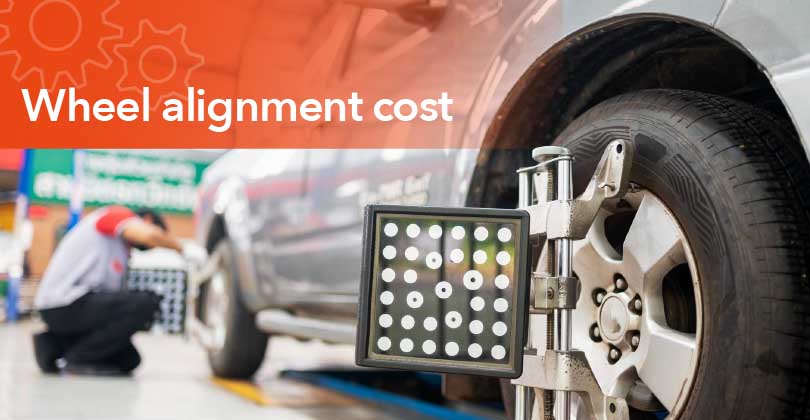
A standard wheel alignment takes 45 minutes to 1 hour at most shops. The vehicle goes on an alignment rack, sensors are attached to each wheel, and a technician adjusts each angle to manufacturer specifications using the readings on a live display.
If suspension components need replacing before the alignment can be performed, add time for those repairs. A good shop communicates this upfront. You shouldn’t find out about additional repairs after the job is already in progress.
How Often Should You Get One?
Most mechanics recommend a wheel alignment:
- Every 1–2 years as standard preventive maintenance, even if nothing feels obviously wrong
- After any significant pothole or curb impact — one hard hit is genuinely enough to knock wheels measurably out of spec
- After getting new tires installed — always protect your tire investment from the very first mile
- After any suspension, steering, or front-end component work
- Anytime you notice one or more of the 7 symptoms above
In Colorado specifically, the freeze-thaw cycle creates potholes constantly, and mountain driving puts additional stress on suspension components. Annual alignments are a genuinely smart call here, and a lot cheaper than replacing tires prematurely.
Understanding your tire specs can also help you spot wear patterns earlier. Check out Tire Installation for a deeper look at what your tire markings actually tell you.
FAQs
How much is wheel alignment?
Typically $50–$100 for a front-end alignment and $100–$175 for a full 4-wheel alignment. Prices vary by vehicle type and shop location.
How long does a wheel alignment take?
Usually 45 minutes to about an hour for a standard alignment. Additional time may be needed if worn suspension parts need replacing first.
How do I know if I need an alignment or a tire balance?
Pulling to one side → usually alignment. Vibration at highway speed → usually wheel balance. Sometimes it’s both. A quick inspection with a trained eye will tell you exactly which one you need.
Can I drive with bad alignment?
Technically yes, but you’re accelerating tire wear and compromising handling every mile you drive on it. It’s especially important to address before winter. You want maximum control in snowy or icy conditions.
Does hitting a pothole affect alignment?
Absolutely. A single hard hit against a deep pothole is enough to shift wheel angles out of spec. If you hit something significant, it’s worth getting an alignment check even if nothing feels noticeably different right away.
Does alignment affect gas mileage?
Yes. Misaligned wheels create extra rolling resistance because they’re not rolling cleanly in the same direction. That extra drag means your engine is burning more fuel to maintain speed. Alignment issues can reduce fuel economy by 7–10% in some cases.
What’s the difference between alignment and wheel balancing?
Alignment adjusts the angles of your wheels relative to each other and the road. Balancing adjusts for uneven weight distribution around each individual tire and wheel assembly. Both affect ride quality and tire wear, but they address completely different issues.
Get an Alignment at All Season Auto Tire in Englewood
If your car is pulling, your steering wheel isn’t centered, or your tires are wearing unevenly — don’t put it off. We offer fast, accurate wheel alignments using professional equipment at All Auto Season Tire shop. Walk-ins welcome, and we’ll tell you upfront exactly what your car needs.
Car pulling? Book an alignment — 720-877-4243