


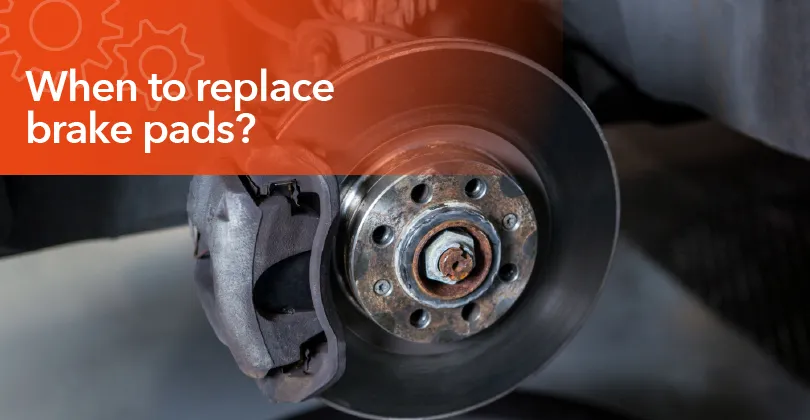
When to Replace Brake Pads: 7 Warning Signs
When Should You Replace Brake Pads? (Quick Answer)
Most brake pads last somewhere between 30,000 and 70,000 miles, but the real signal is not mileage. It is what you hear and feel. A high-pitched squeal, a grinding noise, a longer stopping distance, or a pulsing brake pedal all mean it is time for a check. Do not wait for your brakes to fail completely before getting them looked at.
Brakes are not a part you want to gamble on. A worn pad is annoying. A worn pad that turns into a scored rotor or a brake failure is expensive and dangerous. The good news is your car almost always gives you warning signs first, if you know what to listen for.
This guide walks through the seven signs to watch for, how long pads usually last, what the different noises actually mean, and why Colorado mountain driving wears brakes down faster than flat-state driving.
7 Signs Your Brake Pads Need Replacing
Here are the seven signs that usually show up before a real brake problem, ranked roughly from earliest warning to most urgent. Most drivers notice one or two of these before anything else goes wrong, which is exactly why it pays to know them ahead of time instead of learning them the hard way.
- Squealing noise: A thin metal tab built into the pad is designed to squeal once the pad wears down. This is your brakes asking for attention, on purpose.
- Grinding noise: A deeper, metal-on-metal grinding sound means the pad material is gone and metal is now hitting metal. This damages your rotors fast.
- Longer stopping distance: If it takes noticeably more pedal or more distance to stop than it used to, your pads have lost friction material.
- Vibration or pulsing: A pulsing brake pedal, especially at highway speed, can mean uneven pad wear or a warped rotor.
- Brake warning light: Many newer cars have a sensor that lights up the dashboard once pad thickness drops below a safe level.
- Vehicle pulling to one side: If your car pulls left or right when braking, one pad may be wearing unevenly or sticking.
- Visibly thin pads: Look through your wheel spokes at the pad pressed against the rotor. Less than a quarter inch of pad material is a sign you are close to replacement time.
If you notice two or more of these at once, it is time to get your brakes inspected, not “next month,” but soon.
How Long Do Brake Pads Last?
Brake pads typically last between 30,000 and 70,000 miles, though that range swings a lot based on how and where you drive. A few things shorten pad life:
- City driving with lots of stop-and-go traffic
- Heavy braking habits or aggressive driving
- Carrying heavy loads or towing regularly
- Mountain driving with long downhill sections, which we will get into below
Highway driving, where you use steady speed and gentle braking, tends to be easier on pads. If you mostly drive around Englewood and South Denver in traffic, expect to land on the shorter end of that mileage range. If you do a lot of open highway miles, your pads may stretch closer to the higher end.
Quick reference:
| Driving Style | Typical Pad Life | Why |
| City, stop-and-go | 30,000 to 45,000 miles | Frequent hard braking wears pads fast |
| Mixed city and highway | 45,000 to 60,000 miles | Balanced wear |
| Mostly highway | 60,000 to 70,000+ miles | Steady speeds, less braking overall |
| Frequent mountain descents | Shorter than average | Constant heavy braking on long grades |
These numbers are general ranges, not guarantees. The only way to know for sure where your pads actually stand is to have them measured.
Squealing vs Grinding: What Each Sound Means
These two noises sound kind of similar to a nervous driver, but they mean very different things.
Squealing is usually the wear-indicator tab doing its job. It is a small metal piece built into the pad that is designed to rub against the rotor and make noise once the pad gets thin. It is annoying, but it is actually a helpful built-in warning system. Squealing means “get this checked soon,” not “pull over right now.”
Grinding is a different story. Grinding usually means the pad material is completely worn away and metal is now grinding directly against metal. That metal-on-metal contact damages your rotors, which are much more expensive to replace than pads. Grinding means “get this checked immediately,” ideally before your next drive.
One honest note: not every squeak is a brake problem. Morning dew, road dust, or humidity can cause a temporary squeal that goes away once you drive a bit. If the noise is occasional and goes away quickly, it is probably not urgent. If it is steady, gets worse, or turns into a grind, that is your cue to book an inspection.
Why You Shouldn’t Wait (Rotors & Safety)
Waiting on worn brake pads almost always costs you more in the end, and it is not just about money. It is about how well your car can actually stop when it matters.
Here is the chain reaction: worn pads mean less friction material between your car and the rotor. That means longer stopping distances. According to general safety guidance from NHTSA, stopping distance and reaction time both play a major role in avoiding crashes, and worn brakes stretch out that stopping distance right when you need it most.
Once a pad wears down completely, the metal backing plate grinds directly on the rotor. This scores and damages the rotor surface. A pad replacement alone is a fairly affordable job. Add damaged rotors into the mix, and the repair bill goes up significantly, since rotors often need resurfacing or full replacement at that point.
Bottom line: replacing pads early is a routine maintenance cost. Replacing pads and rotors together, because you waited too long, is a bigger and avoidable expense.
There is a safety angle here too, beyond the repair bill. Worn brakes take longer to stop your car, which matters a lot in an emergency stop or a sudden slowdown in traffic. On wet or icy Colorado roads, that extra stopping distance can be the difference between stopping safely and sliding into the car ahead of you. Catching worn pads early is one of the simplest ways to keep your stopping power where it needs to be.
How Brakes Are Inspected & Replaced
A proper brake inspection is quick and should never feel like a mystery. Here is what actually happens when you bring your car in:
- Pad thickness check: The technician measures how much friction material is left on each pad, usually looking for at least a few millimeters of material remaining.
- Rotor inspection: Rotors get checked for grooves, scoring, warping, or uneven wear that could affect braking smoothness.
- Caliper check: Calipers are inspected to make sure they are moving freely and clamping evenly on both sides.
- Brake fluid check: Old or contaminated brake fluid can lead to a soft or spongy pedal feel, so fluid condition and level get checked too.
If pads need replacing, the technician removes the wheel, swaps the worn pads for new ones, and often resurfaces or replaces the rotors if they show damage. The whole job is usually done in under an hour per axle for most vehicles.
A good inspection also checks both sides of the car, not just the wheel that is squeaking. Pads often wear unevenly from side to side, so a full check gives you the real picture instead of a partial one. If your car has a soft or spongy brake pedal along with any of the seven signs above, that is worth mentioning to your technician too, since it can point to a fluid or caliper issue rather than pads alone.
Colorado Note: Mountain Driving Wears Brakes Faster
If you drive up into the mountains from the Front Range, your brakes are working harder than most drivers realize. Long downhill stretches, like coming down from a ski trip or a mountain pass, force your brakes to constantly slow the car against gravity for miles at a time.
This creates a lot of heat, and heat wears down pad material faster than normal city driving. It can also lead to something called brake fade, where the brakes temporarily lose some stopping power after extended heavy use on a long descent.
A simple trick that helps: use lower gears on long downhill stretches instead of riding the brake pedal the whole way down. This lets your engine help slow the car and gives your brakes a break, literally. If you make regular mountain trips, it is worth having your brake pads checked a little more often than the average driver.
Ski season and summer mountain trips both add up over a year of Front Range driving. If you head up to the high country most weekends, your brake wear can look a lot more like a heavy-duty commuter’s than a typical city driver’s, even if your daily miles are low. Building a brake check into your pre-trip routine, alongside checking your tires, is a simple habit that catches problems before they turn into a roadside issue on a mountain pass.
Hearing or Feeling These? Free Brake Check in Englewood
If any of this sounds familiar, a squeal on your morning commute, a grind you have been ignoring, or a pedal that feels a little different, do not wait for it to get worse. Our team at All Season Tire in Englewood has helped thousands of South Denver drivers catch brake wear early, before it turns into a bigger repair.
We offer a free brake check, so you can find out exactly where your pads stand with zero pressure and zero guesswork. While you are in, it is also a good time to knock out a wheel alignment, check your tire installation needs for the season, or handle any engine diagnostics if something else feels off.
Book your free brake check through our contact page and get peace of mind before your next drive, especially if you are headed up into the mountains soon.